
Showing 1–12 of 159 results
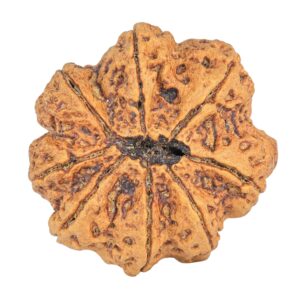
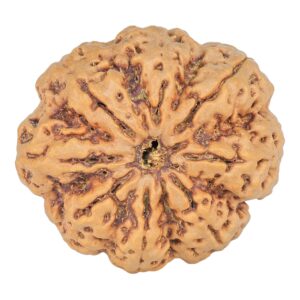
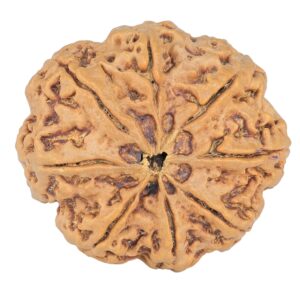
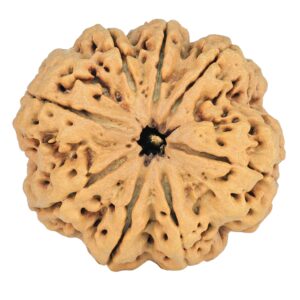
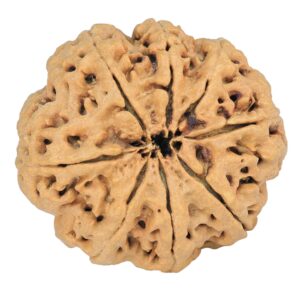
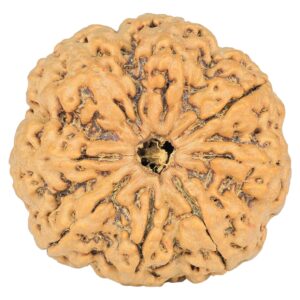
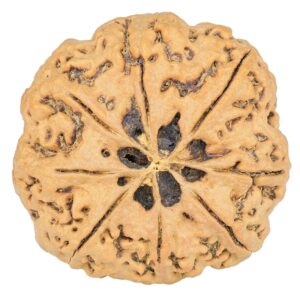
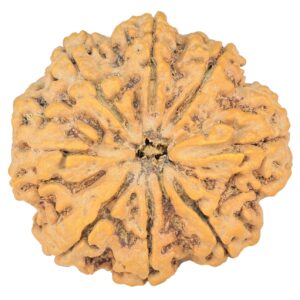
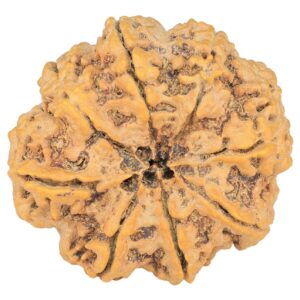
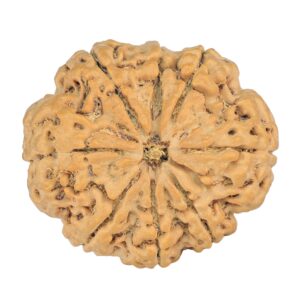
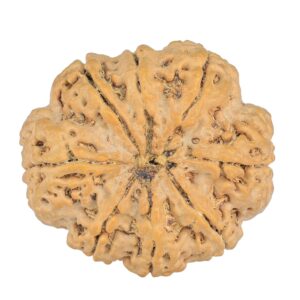
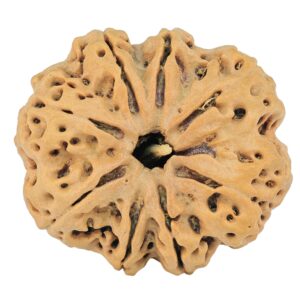
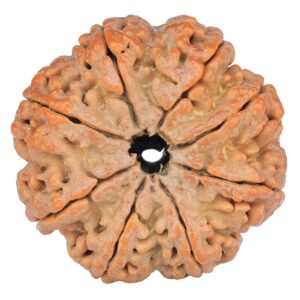
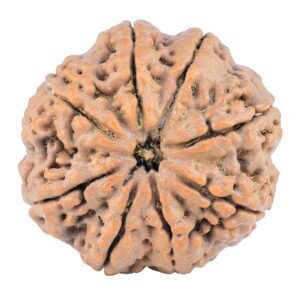
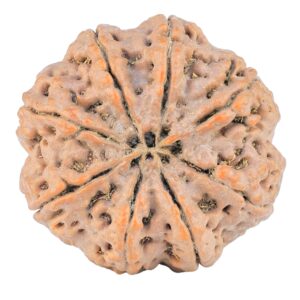
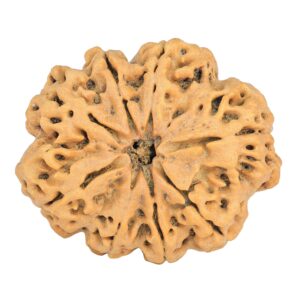
End of content
End of content
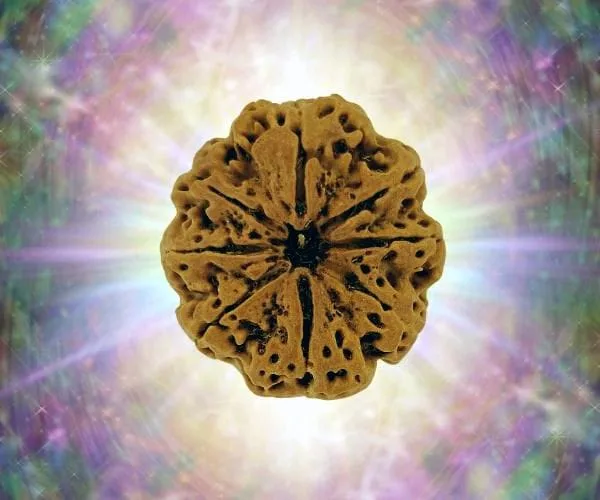
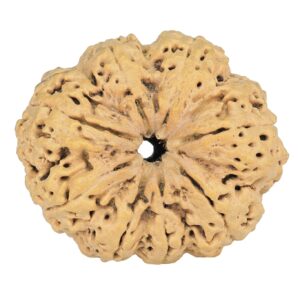
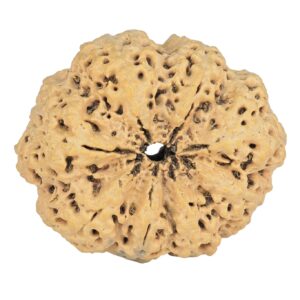
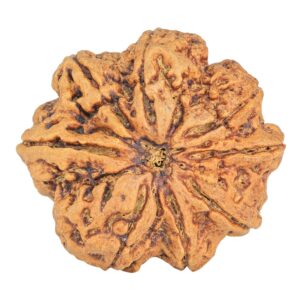
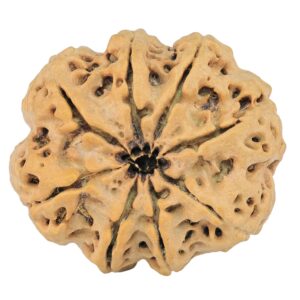
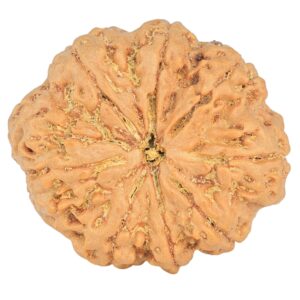
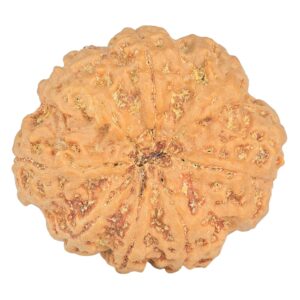
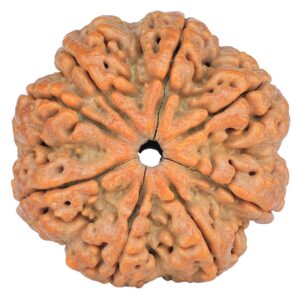
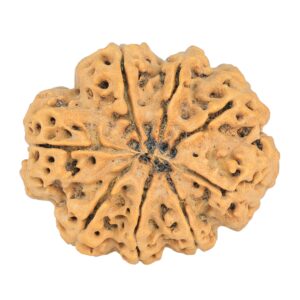
The 8 Mukhi Rudraksha is an eight-faced seed of the Elaeocarpus ganitrus tree, traditionally ruled by Lord Ganesha, with Rahu as its ruling planet. Also called Aath Mukhi Rudraksha, it is worn to remove obstacles, gain clarity before starting new work, and reduce the malefic effects of Rahu. An original bead carries eight unbroken natural mukhi lines with lab certification and an X-ray report. Every 8 Mukhi Rudraksha below is a Nepali bead, individually photographed and lab-certified before dispatch. Each listing shows its own certificate number, size in millimetres and weight in grams, so you know exactly which bead is reaching you. Sizes range from 18.4 mm to 35.7 mm across 152 beads currently in stock.
A Rudraksha bead carries natural clefts, called mukhi, that run from top to bottom. An 8 Mukhi Rudraksha has eight such lines formed naturally as the seed grows on the tree. In Rudraksha tradition, the mukhi count decides which deity and which planet the bead is connected to.
The eight faces are associated with Lord Ganesha, the remover of obstacles, and in some traditions with the eight forms of Lord Bhairav. Its ruling planet is Rahu, the shadow planet linked with illusion, sudden gains and losses, confusion and hidden obstacles, which is why the 8 Mukhi Rudraksha is used as a traditional Rahu remedy.
This makes it the bead of clearance rather than calm. It is traditionally worn before starting new work, a new business, a course of study or an important decision, and by people who face repeated delays, blocked plans or confusion with no obvious cause. Unlike a 5 Mukhi Rudraksha, which is common and settling, the 8 Mukhi is worn to clear the path ahead.
In Vedic astrology, Rahu is the ascending lunar node, associated with illusion, obsession, sudden gains and losses, and obstacles that are not visible from the outside. A weak or afflicted Rahu is traditionally linked with confusion, blocked plans, addiction, false accusations and decisions that look right but turn out wrong.
The 8 Mukhi Rudraksha suits people who need a path cleared rather than a mind calmed: students and competitive-exam aspirants, entrepreneurs launching something new, business owners whose deals keep stalling, professionals in transition, people in litigation or paperwork delays, and anyone going through a Rahu mahadasha or antardasha. Both men and women can wear it, and there is no age restriction in traditional practice.
It is also chosen by people who feel confused about a decision they have already thought through, who face repeated last-minute obstacles, who are trying to break a habit or addiction, or who feel that something is working against them without knowing what. In astrology it is suggested where Rahu is weak or afflicted, though a consultation is advised before choosing the bead.
The price of an original 8 Mukhi Rudraksha in India depends on six things, not on the mukhi count alone:
At Rudraksha Sanskar, 8 Mukhi Rudraksha beads are currently priced from ₹[lowest] to ₹50,000. As a reference, Nepali beads in the 32–36 mm range are listed between ₹25,000 and ₹50,000, while smaller beads cost less. If a seller offers a large Nepali 8 Mukhi Rudraksha for a few hundred rupees, it is almost always an Indonesian bead, a carved fake, or a 5 Mukhi bead with cut lines.
Avoid sellers who use stock photographs, refuse close-up images of the mukhi lines, or cannot show certification. Every bead on this page is photographed individually and carries its own certificate number.
Still unsure which Rudraksha is right for you? Get a FREE Rudraksha consultation from our experts.
Showing 1–12 of 159 results
End of content
End of content
The 8 Mukhi Rudraksha is a Rudraksha bead with eight natural mukhi lines on its surface. It is associated with Lord Ganesha, the remover of obstacles, and its ruling planet is Rahu. It is traditionally worn to clear obstacles and before starting new work.
The 8 Mukhi Rudraksha is traditionally worn to remove obstacles and delays, support success in new beginnings, and bring clarity where there is confusion. It is believed to protect from hidden enemies, help focus and learning, and reduce the malefic effects of Rahu.
The 8 Mukhi Rudraksha is ruled by Lord Ganesha, and in some traditions by Lord Bhairav, and its ruling planet is Rahu. Because Rahu governs illusion, confusion and hidden obstacles, this bead is suggested when Rahu is weak or afflicted in a birth chart.
Wednesday is traditionally preferred for the 8 Mukhi Rudraksha, as it is Lord Ganesha’s day. Monday also works, since every Rudraksha belongs to Lord Shiva, and Ganesh Chaturthi is considered especially auspicious. Wear it in the morning after a bath, facing east.
The beej mantra of the 8 Mukhi Rudraksha is Om Hum Namah. It is chanted 108 times while energising the bead, and briefly each morning afterwards. The Ganesha mantra Om Gan Ganapataye Namah and the Ganesh Chalisa are also recited by many wearers.
An original 8 Mukhi Rudraksha has exactly eight unbroken natural mukhi lines running from the top hole to the bottom hole, an uneven thorny surface, and no cut or painted lines. Heavy polish is a warning sign. Ask for an X-ray report and a lab certificate with a unique number.
Don't have an account yet? Sign up
No items in your cart. Go on, fill it up with something you love!
Start Shopping Now
Namaste 🙏 Welcome to Rudraksha Sanskar
Need help choosing authentic Rudraksha? Call / WhatsApp us on
+91 70783 00563
Get personal guidance for authentic Rudraksha selection. Get a free consultation here
Usually replies quickly on WhatsApp
+91 70783 00563Authentic Rudraksha guidance, product availability, order support and international shipping enquiry.
Fill your details and our team will contact you soon.
Powered by Rudraksha Sanskar
Thank you for contacting us.
Your Consultation Code is:
Please save this code for future reference.


