
Showing 1–12 of 305 results
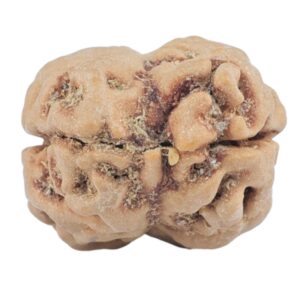
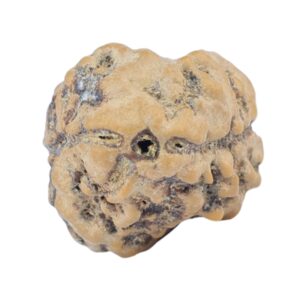
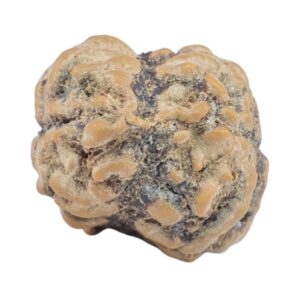
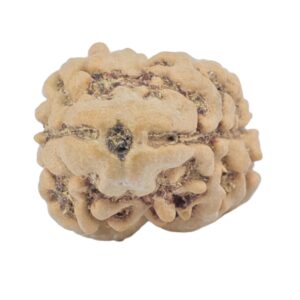
End of content
End of content
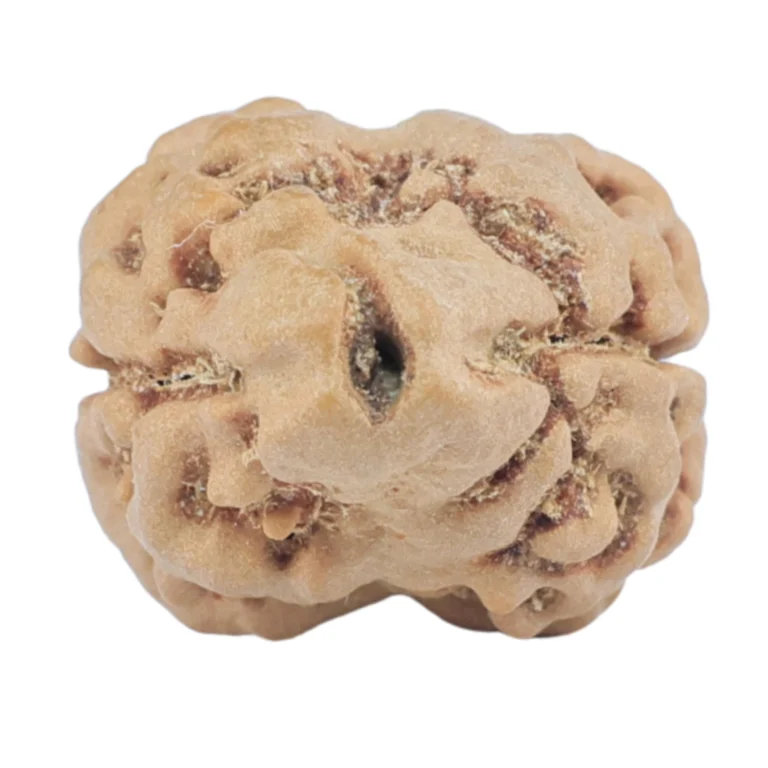
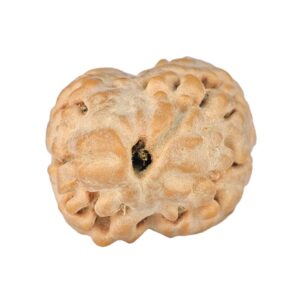
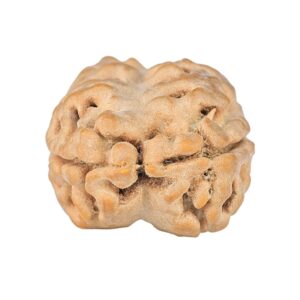
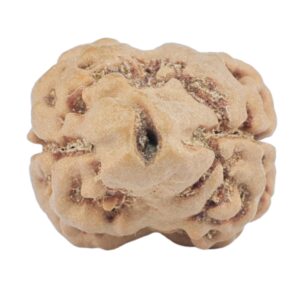
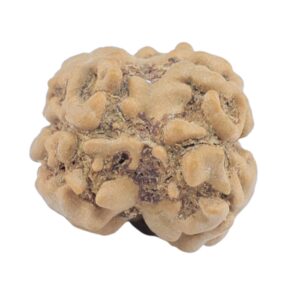
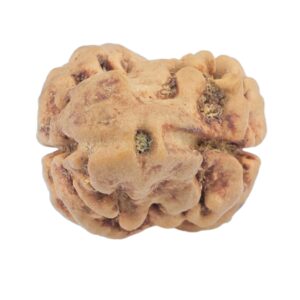
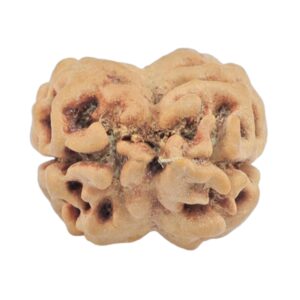
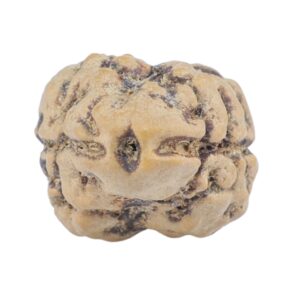
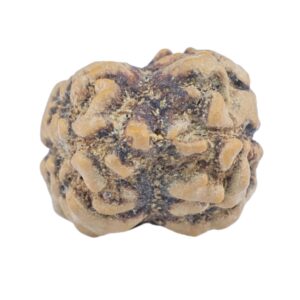
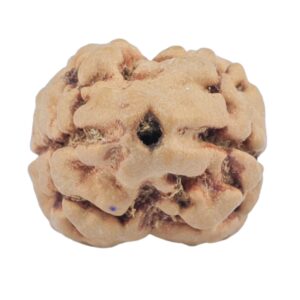
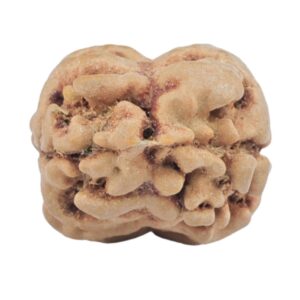
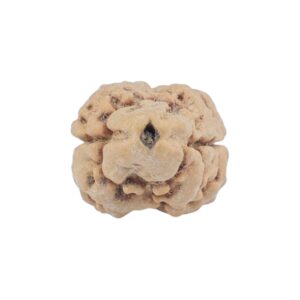
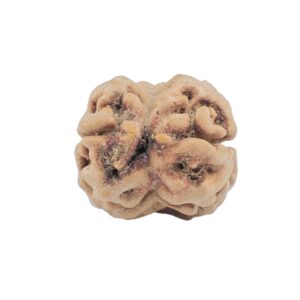
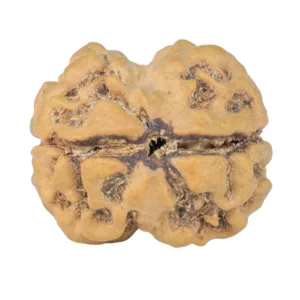
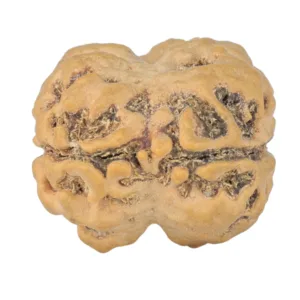
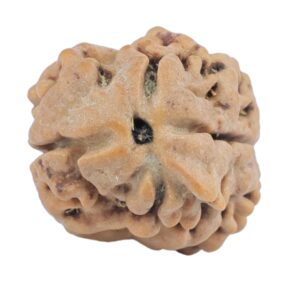
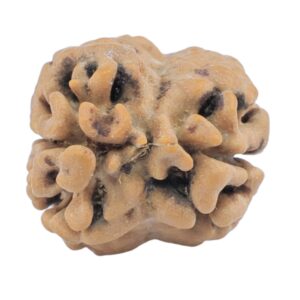
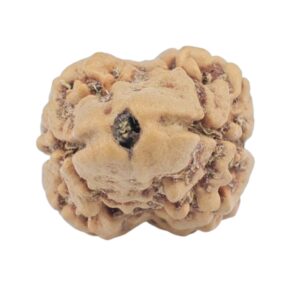
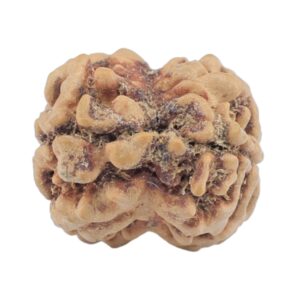
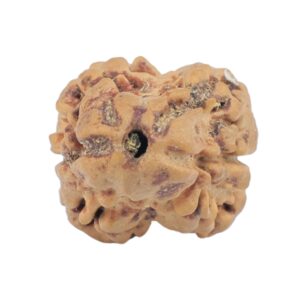
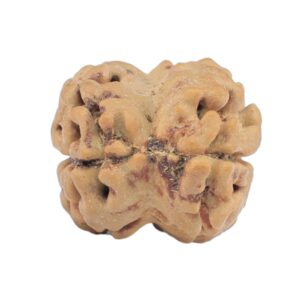
The 2 Mukhi Rudraksha is a two-faced seed of the Elaeocarpus ganitrus tree, ruled by Ardhanarishvara, the united form of Lord Shiva and Goddess Parvati, with the Moon (Chandra) as its ruling planet. Also called Do Mukhi Rudraksha, it is worn for harmony in marriage and relationships, emotional balance and peace of mind. Nepali 2 Mukhi beads are rare, which is why an original bead is priced far above a common Rudraksha. Every 2 Mukhi Rudraksha below is listed individually with its origin, size in millimetres, weight in grams and its own lab certificate number, so you know exactly which bead is reaching you. Our stock covers 302 beads from 10.5 mm to 25.5 mm, across Nepali and North Indian origins, and the origin is stated on every listing.
A Rudraksha bead carries natural clefts, called mukhi, that run from top to bottom. A 2 Mukhi Rudraksha has two such lines formed naturally as the seed grows on the tree. In Rudraksha tradition, the mukhi count decides which deity and which planet the bead is connected to.
The two faces represent Ardhanarishvara — the form in which Lord Shiva and Goddess Parvati are one body, half male and half female. This is why the bead stands for union rather than for either partner, and why it is worn for the space between two people rather than for one person alone.
Its ruling planet is the Moon, which governs the mind, emotion and inner peace. A 2 Mukhi is therefore worn where the difficulty is emotional rather than material — a strained marriage, a partnership under stress, a family that has stopped talking, or a mind that will not settle. Unlike a 5 Mukhi Rudraksha, which calms the wearer, the 2 Mukhi is traditionally worn for the relationship itself.
The 2 Mukhi is the bead most often asked about for relationships, because Ardhanarishvara represents two becoming one. In traditional practice it is worn in these situations:
Traditionally, a couple may wear one bead each, or a single bead may be kept in the home. Some families give a 2 Mukhi at the time of marriage in the same spirit as any other blessing. Where the difficulty is serious, tradition treats the bead as a support alongside honest conversation and, where needed, professional help — never as a replacement for either.
In Vedic astrology the Moon (Chandra) governs the mind, emotion, the mother, sleep, and the ability to feel settled. A weak or afflicted Moon is traditionally linked with mood swings, overthinking, poor sleep, emotional dependence and a mind that cannot rest.
The 2 Mukhi Rudraksha is the bead assigned to the Moon, which is why it is suggested in these situations:
A birth-chart consultation is advised before buying a 2 Mukhi as a planetary remedy, particularly because a genuine Nepali bead is expensive. Where budget is the constraint, a smaller certified bead of the same origin is preferred over a large bead of doubtful origin.
The 2 Mukhi Rudraksha suits people whose difficulty sits between two people rather than inside one: married couples, engaged couples, parents and children who have drifted apart, siblings, business partners, and anyone in a working relationship they cannot walk away from. Both men and women can wear it, and there is no age restriction in traditional practice.
It is also chosen by people who overthink, sleep badly, feel emotionally unsettled without a clear reason, or feel isolated. In astrology it is suggested where the Moon is weak or afflicted. Because a genuine Nepali 2 Mukhi is expensive, it is best chosen after guidance rather than on impulse, and anyone new to Rudraksha is usually advised to begin with a 5 Mukhi.
A 2 Mukhi Nepali Rudraksha costs far more than most Rudraksha beads, and the reason is supply rather than marketing. It is worth understanding before you compare prices.
A Rudraksha tree produces mostly 5 Mukhi seeds. Two-faced seeds occur rarely, and Nepali two-faced seeds — larger, denser and with clearly separated lines — occur rarer still. A trader may sort through thousands of beads to find a handful of clean, uncracked, fully formed 2 Mukhi beads of good size. That scarcity, not the size of the bead, sets the price.
Beyond scarcity, price depends on:
At Rudraksha Sanskar, 2 Mukhi Rudraksha beads are currently priced from ₹45,000 to ₹1,35,000 across 302 beads. Smaller beads sit at the lower end. If you are offered a large Nepali 2 Mukhi for a few thousand rupees, it is almost always an Indonesian bead sold as Nepali, or a 5 Mukhi bead with two lines deepened by carving. On a two-faced bead, carving is the most common form of fraud, because only two lines have to be faked.
Showing 1–12 of 305 results
End of content
End of content
The 2 Mukhi Rudraksha is a Rudraksha bead with two natural mukhi lines on its surface. Also called Do Mukhi Rudraksha, it is ruled by Ardhanarishvara, the united form of Lord Shiva and Goddess Parvati, and its ruling planet is the Moon. It is worn for harmony and emotional balance.
The 2 Mukhi Rudraksha is traditionally worn for harmony in relationships, emotional balance and peace of mind. It is believed to reduce repeated misunderstandings, support patience and tolerance, help unsettled sleep and overthinking, and strengthen a weak Moon in the birth chart.
Yes, this is the bead most often chosen for relationships, because Ardhanarishvara represents two becoming one. It is worn by married couples, families and business partners. Tradition treats it as support for the wearer’s own patience and clarity, alongside honest conversation, not as something that changes another person.
A Rudraksha tree produces mostly 5 Mukhi seeds. Two-faced seeds occur rarely, and Nepali two-faced seeds rarer still, so a trader may sort thousands of beads to find a handful of clean, fully formed ones. That scarcity sets the price, not the size of the bead.
Monday is traditionally preferred, as it belongs to both Lord Shiva and the Moon. A full moon day (Purnima), Mahashivratri or the Shravan month are also chosen. Wear it in the morning after a bath, facing east, after chanting the beej mantra 108 times.
Both lines must run unbroken from the top hole to the bottom hole and vary naturally in depth. The commonest fraud is a 5 Mukhi bead with two lines cut deeper and the rest polished away, so watch for straight, even grooves and heavy polish. Ask for an X-ray and a numbered certificate.
Don't have an account yet? Sign up
No items in your cart. Go on, fill it up with something you love!
Start Shopping Now
Namaste 🙏 Welcome to Rudraksha Sanskar
Need help choosing authentic Rudraksha? Call / WhatsApp us on
+91 70783 00563
Get personal guidance for authentic Rudraksha selection. Get a free consultation here

Usually replies quickly on WhatsApp
+91 70783 00563Authentic Rudraksha guidance, product availability, order support and international shipping enquiry.
Fill your details and our team will contact you soon.
Powered by Rudraksha Sanskar
Thank you for contacting us.
Your Consultation Code is:
Please save this code for future reference.


