During Shravan, the demand for Rudraksha beads rises sharply as devotees across the world seek to wear them for spiritual benefits. Unfortunately, this high demand has also given rise to a troubling trend, the market is flooded with fake or low-quality Rudraksha beads. For someone who wishes to wear them with faith and devotion, getting tricked into buying a counterfeit can be disheartening. This guide will help you understand the difference between genuine and fake Rudraksha, so you can make your purchase with confidence.
Why Fake Rudraksha Exists
Rudraksha is not just a bead; it holds deep religious and spiritual value. Authentic beads are believed to carry blessings of Lord Shiva, bringing peace, focus, and protection to the wearer. Because genuine Rudraksha is in limited supply, especially rare types like one mukhi or high mukhi counts. Sellers looking for quick profit sometimes resort to creating imitations from wood, plastic, or even carved seeds from other plants. The result? A flood of fake beads that look convincing at first glance.
Understanding What a Genuine Rudraksha Looks Like
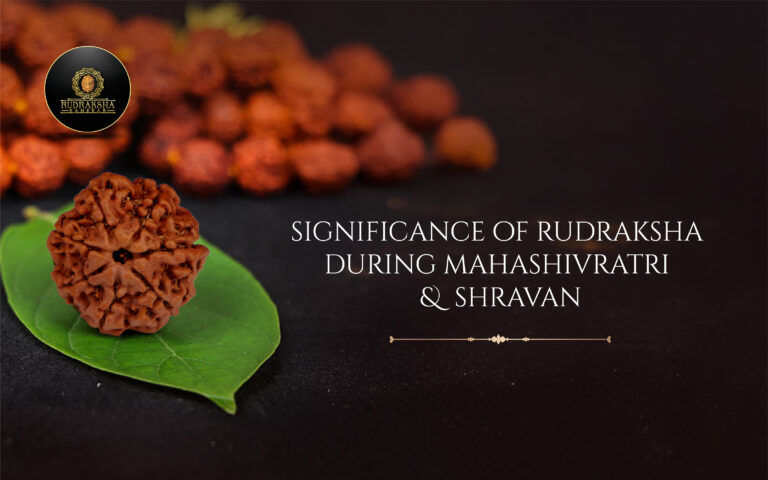
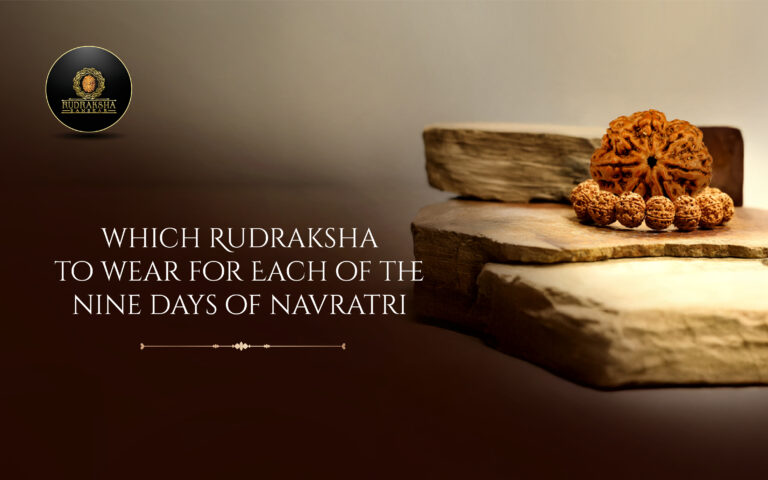
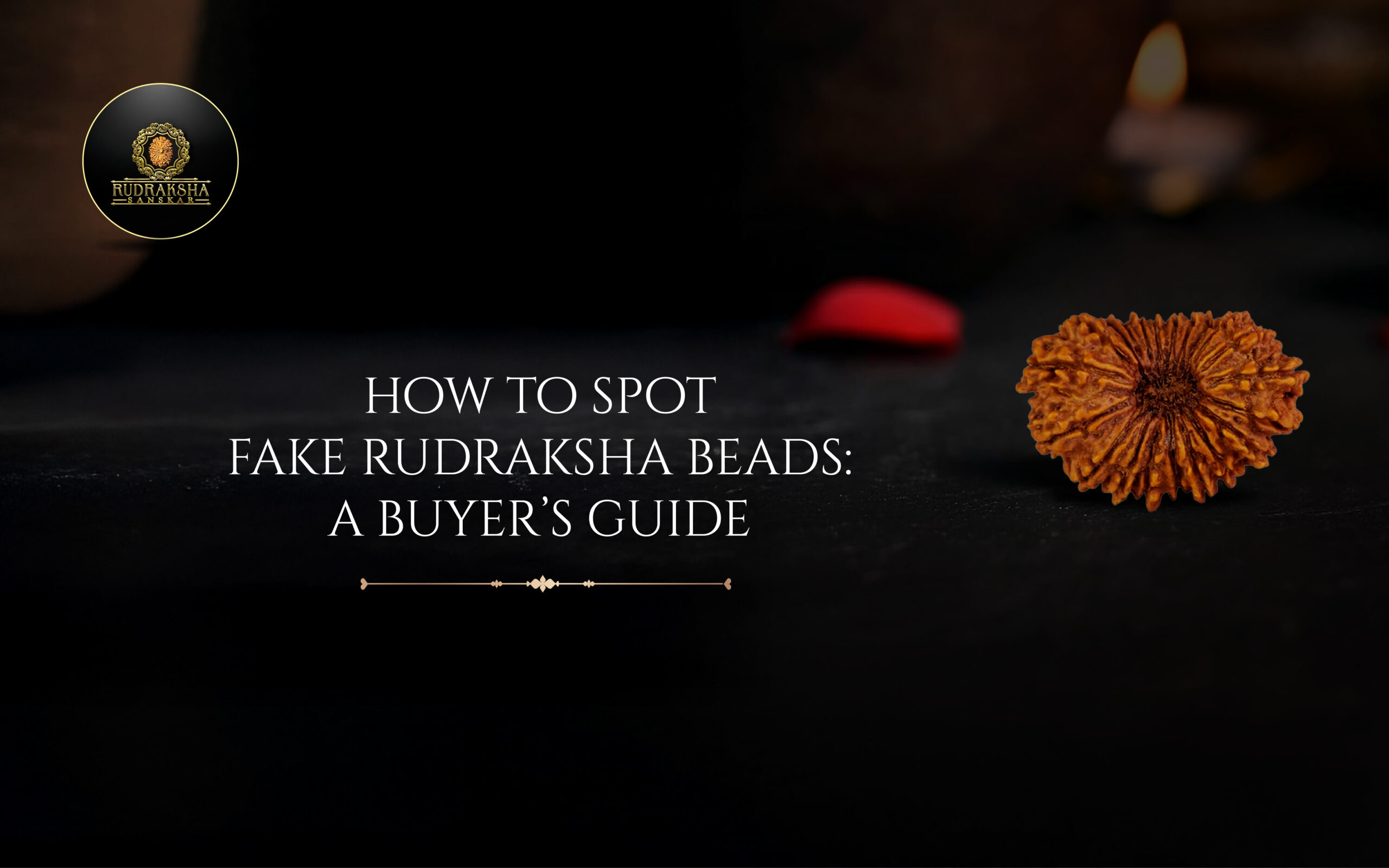
Before learning how to identify fakes, it’s important to know the natural characteristics of a real Rudraksha. Authentic beads have distinct mukhis, the natural vertical lines running from top to bottom. The texture is rough but not brittle, and the seed feels solid when held. Each bead has a central hole naturally formed for threading. The size and shape may vary slightly because they grow organically, making perfect symmetry rare.
Common Signs of Fake Rudraksha
While counterfeit beads can be visually similar, there are subtle differences that give them away. Many fake beads are overly smooth, uniformly shaped, or lack the natural grooves that a real Rudraksha develops. Some may be artificially colored to look darker or more aged. In other cases, separate beads are glued together to create the illusion of a rare multi-mukhi Rudraksha.
A very common trick is carving extra lines into a cheaper bead to mimic higher mukhi counts. But these artificial cuts often look too neat or too shallow, unlike the naturally deep and irregular grooves of a real bead.
Simple Tests You Can Do at Home
While laboratory testing is the most reliable method, there are some simple checks you can try:
- The Water Test: Place the bead in a glass of water. Genuine Rudraksha generally sinks due to its density. However, this is not foolproof and some fakes are weighted to mimic this property.
- Magnifying Glass Inspection: Look closely at the mukhi lines. In a real bead, these lines run from one end to the other without breaks. In a fake, they may appear shallow or abruptly end.
- Feel and Texture: Real Rudraksha beads have a natural, uneven surface with grooves you can feel. If the bead feels too smooth or polished, it may be fake.
- Central Hole Check: A real Rudraksha has a natural hole running through it. In fakes, the hole is often drilled and may have unnatural edges.
Avoiding the Trap – Buying from the Right Source
The easiest way to protect yourself is to buy from a reputed and trusted seller. Look for sellers who provide a certificate of authenticity from a recognized laboratory. Experienced sellers will also allow you to inspect the bead before purchase. If you are buying online, choose platforms with verified reviews and a clear return policy.
Also, be cautious with deals that sound “too good to be true”, especially for rare beads like one mukhi or beads with very high mukhi counts. Authentic rare Rudraksha is expensive because it’s scarce; if you find it at an unbelievably low price, it’s likely a fake.
The Role of Laboratory Testing
For complete certainty, lab testing is the safest route. Reputable testing centers use X-ray or CT scan technology to check the internal structure of the bead. This ensures that the mukhi lines are natural and continue through the inside of the seed. Such a certificate can be valuable proof, especially if you’re buying rare or expensive beads.
Why Wearing Genuine Rudraksha Matters
Wearing a fake Rudraksha may not cause harm physically, but it robs you of the spiritual and emotional connection you seek. A genuine bead is believed to carry unique vibrational energy that aligns with the body’s natural rhythm, helping reduce stress, improve focus, and promote positive energy. Wearing a fake means missing out on these potential benefits and feeling disconnected from the symbolic meaning of the bead.
Caring for Your Rudraksha After Purchase
Once you’ve confirmed that your Rudraksha is genuine, taking good care of it ensures it lasts for years. Keep it away from soap, chemicals, and perfumes. Clean it occasionally with water and a soft brush, then apply a little natural oil like sandalwood or mustard oil to keep it from drying out. Handle it respectfully, as it’s more than just an accessory, it’s a sacred item.
Conclusion
Spotting fake Rudraksha beads is a skill every devotee should have, especially during Shravan, when many first-time buyers make their purchase. By knowing the natural characteristics of a real bead, understanding the tricks used to create fakes, and purchasing only from trusted sources, you can ensure your Rudraksha is as authentic as your devotion.
A genuine Rudraksha doesn’t just adorn you; it becomes a part of your spiritual journey. In a market where imitations are everywhere, awareness is your best protection. Buy certified and authentic Rudraksha today, Contact us for more information.