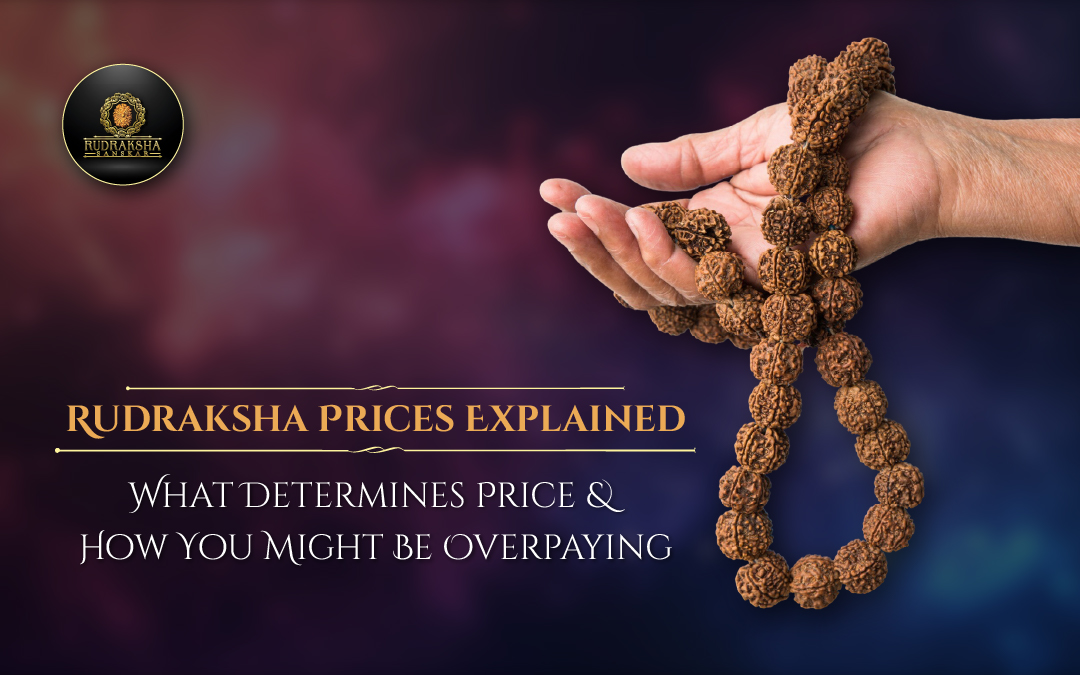
The sacred Rudraksha bead is valued not only for its spiritual power but also for its rarity. As more devotees embrace Rudraksha for meditation, protection, and prosperity, one question arises often: Why do prices vary so much? In 2026, you can find Rudraksha beads priced anywhere from a few hundred rupees to lakhs of rupees. Such a wide range creates confusion, and unfortunately, it also opens doors for overpricing and counterfeits in the market.
This guide explains the factors that determine Rudraksha prices, how to identify when you might be overpaying, and what approximate rates you can expect in 2026. Finally, we will highlight why choosing authentic Rudraksha matters more than bargaining for the lowest price.
What Determines the Price of a Rudraksha?
A Rudraksha’s price depends on several interconnected factors. Understanding these helps you evaluate whether the bead you are buying is fairly priced.
1. Mukhi Count
The mukhi, the natural lines on the bead is the single most important factor. Some mukhis, such as 5 Mukhi Rudraksha, are abundant and hence more affordable. Others, like 1 Mukhi Rudraksha or rare higher mukhis (above 14), are extremely rare and command significantly higher prices.
- Common mukhis (4, 5, 6, 7) → affordable, widely available.
- Mid-range mukhis (8 to 12) → moderately priced.
- Rare mukhis (13, 14, Gauri Shankar, and higher) → expensive due to scarcity.
2. Origin of the Bead
Nepali Rudraksha is considered the gold standard. Larger in size, with deep mukhi lines and strong vibrations, they are more expensive than their Indonesian (Java) or South Indian counterparts. Indonesian Rudrakshas, though authentic, are smaller and smoother, making them more affordable.
3. Size and Weight
Bigger beads are rarer and more powerful, hence they cost more. A large 5 Mukhi Rudraksha, for instance, will be priced higher than a smaller one, even though both carry similar spiritual properties. Collectors and advanced practitioners often prefer larger beads, pushing prices up.
4. Condition and Shape
Well-formed beads with natural, unbroken mukhi lines are highly valued. Beads with cracks, deformities, or artificially carved lines are considered less valuable or even inauthentic. A perfectly symmetrical bead often attracts a higher premium.
5. Authenticity and Certification
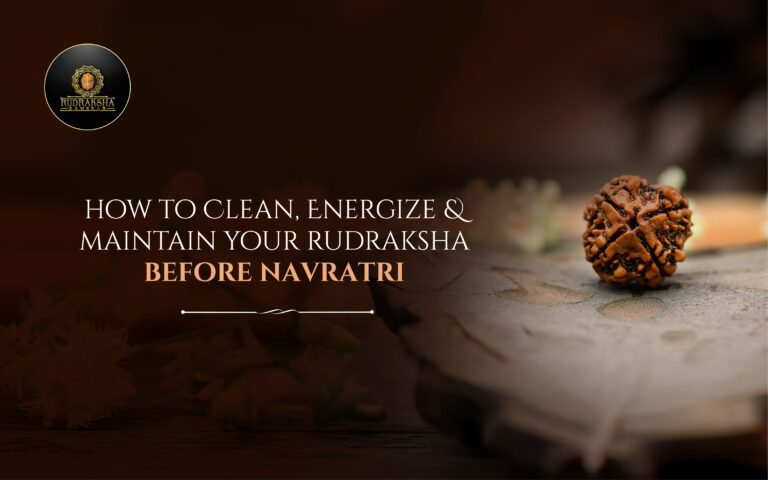
With demand rising, fake Rudrakshas, made of wood, plastic, or artificially cut seeds are rampant. Authentic Rudraksha, especially when certified by a trusted lab, will always cost more than uncertified alternatives. Certification adds credibility and peace of mind.
How You Might Be Overpaying
The festive season, especially Navratri, Diwali, and Mahashivratri, brings a surge in Rudraksha purchases. Unfortunately, it also brings inflated prices. Many devotees unknowingly pay far more than they should. Here are some ways overpricing happens:
- Festival Hype: Sellers increase rates dramatically, taking advantage of emotional buyers.
- Fake Rarity Claims: Common mukhis are sometimes sold as “rare” varieties to justify inflated prices.
- Imported Confusion: Small Indonesian beads are sold at Nepali bead prices, misleading buyers unfamiliar with origins.
- Lack of Knowledge: Buyers unaware of standard price ranges may agree to whatever the seller quotes.
Being aware of these practices is the first step toward making a fair purchase.
Rudraksha Price Trends in 2026
While exact prices vary depending on source, size, and authenticity, here are approximate 2026 price brackets for reference.
- 5 Mukhi Rudraksha: The most common, widely used for malas and daily wear. Typically ranges from ₹200 to ₹1,000 per bead depending on size and origin.
- 7 Mukhi Rudraksha: Associated with Goddess Lakshmi. Approximate range: ₹1,500 – ₹4,000.
- 8 Mukhi Rudraksha: Linked to Lord Ganesha, remover of obstacles. Approximate range: ₹3,000 – ₹6,000.
- 9 Mukhi Rudraksha: Resonates with Goddess Durga. Approximate range: ₹4,000 – ₹8,000.
- 10 Mukhi Rudraksha: Known for protection. Approximate range: ₹6,000 – ₹12,000.
- Rare Mukhi Rudraksha (11 and above): Prices can start around ₹15,000 and extend well into lakhs, depending on rarity and certification.
It’s important to note these are approximations. Exact rates may differ from seller to seller, but any significant deviation from these brackets should raise questions.
How to Evaluate a Fair Price
When considering a purchase, keep these points in mind:
- Compare prices across multiple trusted sellers instead of relying on a single quote.
- Always ask about origin (Nepali vs Indonesian vs South Indian). Nepali beads are costlier, but also stronger in energy.
- Ensure the bead is certified by a reliable lab. Paying more for certification is worth the assurance.
- Don’t be swayed by sales pitches promising instant wealth or miraculous results. Rudraksha supports spiritual growth but is not a quick-fix solution.
Why Authenticity Matters More Than Price
When it comes to Rudraksha, authenticity is everything. A genuine bead carries energy that can positively transform the wearer’s life. A fake bead, no matter how cheap or expensive, is spiritually empty.
Some buyers focus too heavily on price, looking for bargains or fearing overpayment and forget that Rudraksha is not a regular market commodity. It is a sacred seed that must be chosen with reverence and trust.
At our end, we ensure every bead we provide is authentic, certified, and ethically sourced. Prices are set transparently, reflecting both the rarity of the bead and the cost of certification, while avoiding inflated festival rates. Our focus is on delivering genuine Rudrakshas that carry blessings, not just beads that fill shelves.
Conclusion
The price of Rudraksha in 2026 depends on many factors: mukhi count, origin, size, shape, and authenticity. While approximations can help, it is your awareness and the credibility of the seller that ultimately ensure value. Overpaying often happens when buyers rush during festive seasons or fall for exaggerated claims.
When buying Rudraksha, remember this balance: don’t choose solely based on price, choose based on authenticity. A genuine Rudraksha is a lifelong spiritual companion, while a fake is simply a seed without power.
This Diwali, as you search for prosperity and protection, let authenticity be your guiding principle. A well-chosen Rudraksha is not just a purchase, it is an investment in faith, devotion, and divine blessings.




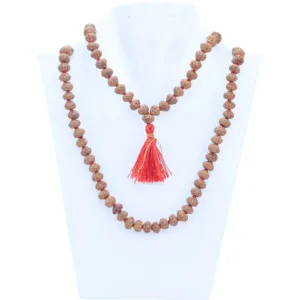 11 Mukhi Indonesian Mala (Wear)
 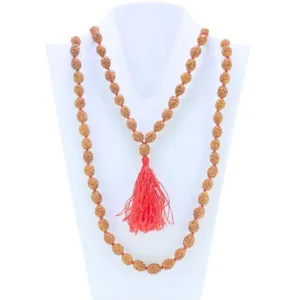 4 Mukhi Indonesian Mala (Jaap)
 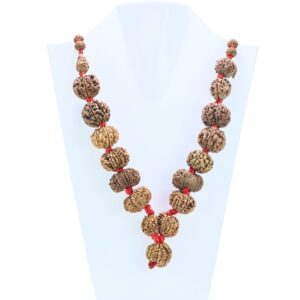 1 to 14 Mukhi Rudraksha Mala ( Siddha Mala ) 31.2585
 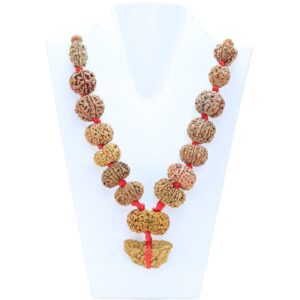 1 to 14 Mukhi Rudraksha Mala ( Siddha Mala ) 40.1785
 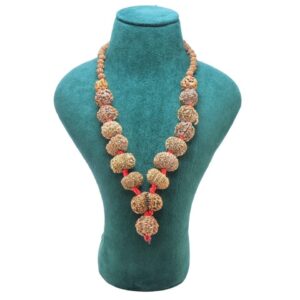 1 to 14 Mukhi Rudraksha Mala ( Siddha Mala ) 29.2345
  Swasthya Vriddhi Kawach – Health, Vitality & Protection
 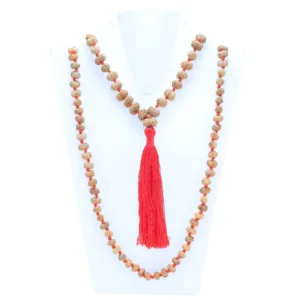 13 Mukhi Indonesian Mala - Certificate: DCL/2026/B/0259
 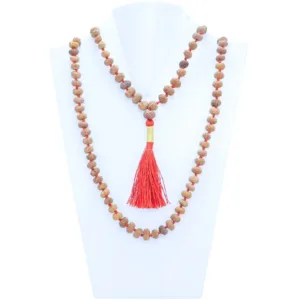 12 Mukhi Indonesian Mala