Rudraksha beads have held spiritual significance for centuries, especially in Hinduism, Buddhism, and other Eastern traditions. Derived from the seeds of the Elaeocarpus ganitrus tree, Nepali Rudraksha beads are among the most revered varieties, known for their powerful energy and authentic origins. These sacred beads are believed to embody divine energy, offering protection, peace, and guidance to the wearer.
Most people recognize Rudrakshas based on their mukhi count, the natural lines or facets running across their surface. However, the type of Rudraksha based on region of origin is equally important. Climate, soil, and altitude play vital roles in shaping the size, texture, and spiritual vibration of these beads.
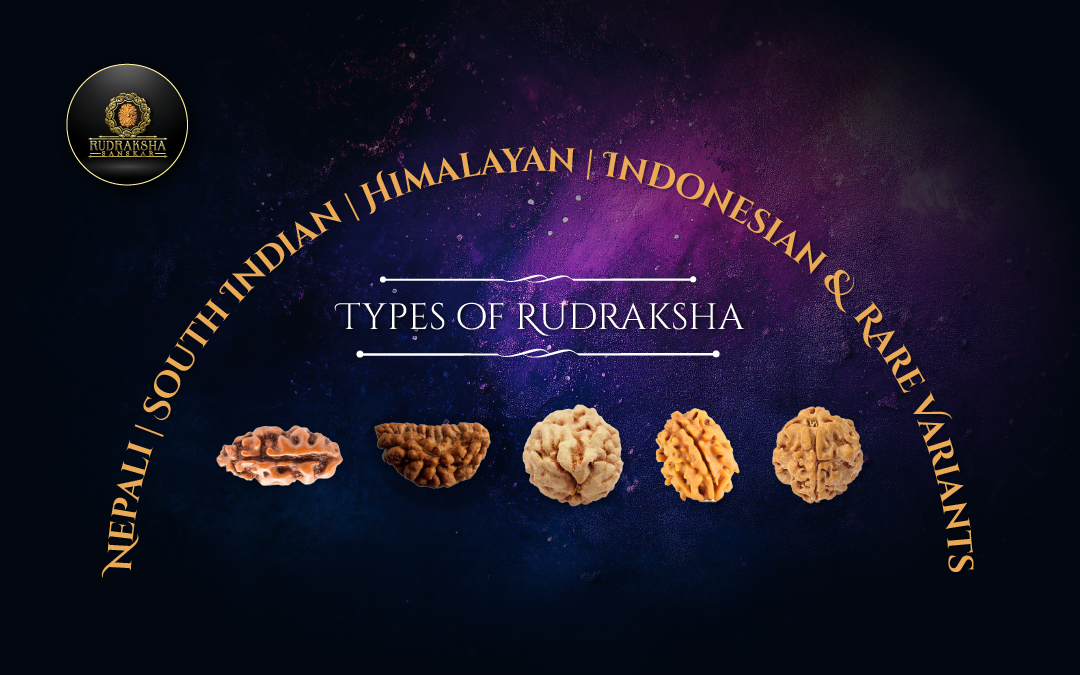
The major types include Nepali Rudraksha, South Indian Rudraksha, Himalayan Rudraksha, Indonesian Rudraksha (Java beads), and a few rare regional varieties such as Burmese and Sri Lankan Rudrakshas. Each carries distinct qualities, making it essential for seekers to understand their differences before choosing one.
Nepali Rudraksha: The Standard of Power and Authenticity
Nepali Rudrakshas are often considered the most powerful and authentic variety. Found in the foothills of Nepal, these beads are large, heavy, and marked with deeply etched mukhi lines. Their bold appearance makes them easy to recognize and authenticate.
Key Characteristics
- Larger and heavier than other types.
- Deep, sharply defined mukhi lines.
- Rough, textured surface that conveys strength and durability.
Spiritual Significance
Texts often praise Nepali Rudrakshas as highly potent. They are said to deliver results more quickly than smaller varieties, making them the first choice for seekers seeking rapid transformation. They support meditation, enhance focus, and protect from negative influences.
Everyday Impact
Wearing a Nepali Rudraksha is believed to balance emotions, reduce stress, and promote patience. Families often value them for their harmonizing energy, helping reduce conflicts and foster respect among members.
Why They Stand Out
Compared with other varieties, Nepali Rudrakshas command higher prices due to their rarity, size, and spiritual intensity. Collectors and serious practitioners view them as benchmarks of authenticity.
South Indian Rudraksha: Traditional and Practical
South Indian Rudrakshas have been part of temple rituals and household practices for centuries. Found in Tamil Nadu and Karnataka, these beads are smaller and smoother than their Nepali counterparts but carry steady energy.
Key Characteristics
- Small to medium size, lightweight.
- Smooth surface with less prominent grooves.
- Often strung into 108-bead malas for chanting.
Spiritual Significance
They are associated with devotion, steadiness, and discipline. While not as intense as Nepali Rudrakshas, they are excellent for beginners who seek calmness and focus without overwhelming vibrations.
Everyday Impact
South Indian Rudrakshas support concentration, making them popular among students and professionals. Families keep them in homes for blessings of peace and prosperity.
Why They Stand Out
Their accessibility and affordability make them practical. They are widely used in traditional prayers and temple practices, connecting devotees with centuries of cultural heritage.
Himalayan Rudraksha: Rare Beads with Sacred Energy
Himalayan Rudrakshas are rarer and valued for their association with the sacred mountains. Found in Nepal, Tibet, and Bhutan at higher altitudes, these beads are shaped by rugged environments and are believed to carry strong natural vibrations.
Key Characteristics
- Medium to large size, rugged surface.
- Bold but sometimes asymmetrical mukhi lines.
- Less common and harder to source.
Spiritual Significance
The Himalayas have long been the seat of meditation and ascetic life. Beads from this region are said to embody the same qualities, purity, depth, and transformative energy. They are recommended for advanced seekers looking for profound meditation experiences.
Everyday Impact
These beads ground emotions, reduce fear, and protect households from negativity. They are particularly valued by spiritual practitioners for their ability to deepen meditation.
Why They Stand Out
Their rarity, raw texture, and high-altitude origins make them prized possessions, often chosen by serious seekers and collectors.
Indonesian Rudraksha: Gentle and Accessible
Indonesian Rudrakshas, also known as Java beads, are among the most widely available types. They are the smallest, smoothest, and most lightweight Rudrakshas, making them practical for daily wear and meditation malas.
Key Characteristics
- Small size, very light.
- Smooth surface, shallow mukhi lines.
- Widely available and affordable.
Spiritual Significance
Their energy is subtle, working gradually rather than dramatically. This makes them suitable for children, beginners, and individuals who wish to adapt slowly to Rudraksha vibrations.
Everyday Impact
Indonesian Rudrakshas bring calmness, discipline, and patience. They are commonly used in yoga, meditation, and mantra chanting practices across the world.
Why They Stand Out
Their accessibility and comfort make them the most practical choice for global seekers. While not as potent as Nepali beads, they are widely respected for their steady, gentle influence.
Rare and Lesser-Known Types
Beyond the widely recognized categories, some rare varieties add diversity to the Rudraksha family.
Burmese Rudraksha
Found in Myanmar, these beads resemble South Indian Rudrakshas in size and surface but are rougher. Their energy is balanced and calm, though they are less globally recognized.
Sri Lankan Rudraksha
These beads grow in Sri Lanka’s tropical climate. They are smooth, small to medium in size, and commonly used in temple malas. Their energy is steady and practical, making them useful for daily prayers.
Bhadraksha
Bhadraksha is a misleading counterpart. Though it may resemble a Rudraksha, it is considered inauspicious in scriptures. Traditionally, these beads are avoided in spiritual practice, as they are believed to carry negative vibrations.
Why They Stand Out
These rare varieties enrich the tradition and highlight the diversity of Rudraksha cultivation. They also serve as reminders to be cautious of authenticity, since not every bead marketed as Rudraksha carries genuine spiritual value.
Comparative Overview
- Nepali Rudraksha: Large, bold, highly potent, ideal for serious practitioners.
- South Indian Rudraksha: Medium size, traditional, widely used in temple malas.
- Himalayan Rudraksha: Rare, rugged, high spiritual energy, suited for advanced seekers.
- Indonesian Rudraksha: Small, light, gentle, best for beginners and daily wear.
- Rare Types: Burmese and Sri Lankan add cultural depth; Bhadraksha is inauspicious and avoided.
This comparison shows that while all authentic Rudrakshas have value, the choice depends on the seeker’s level of practice, lifestyle, and intent.
Choosing the Right Rudraksha Type
When selecting a Rudraksha, seekers should consider both mukhi count and type. A few guiding principles include:
- Beginners benefit from Indonesian or South Indian beads for their gentle and steady energy.
- Advanced practitioners often prefer Nepali or Himalayan beads for stronger vibrations.
- Collectors and researchers may value rare types such as Burmese or Sri Lankan.
- Household prayers can be enriched with any authentic type, depending on availability and affordability.
Above all, authenticity is the most important factor. A genuine bead, regardless of origin, carries divine energy.
Caring for Rudraksha Beads
All Rudrakshas, regardless of type, require respectful care to maintain their potency. Basic practices include:
- Regular cleaning with clean water.
- Applying natural oil to preserve texture.
- Avoiding chemicals, soaps, and rough handling.
- Energizing through mantras such as Om Namah Shivaya.
Handled properly, Rudrakshas can last for generations, serving as both spiritual tools and sacred heirlooms.
Conclusion
Rudraksha beads are not merely ornaments but spiritual companions. Their type, whether Nepali, South Indian, Himalayan, Indonesian, or rare Burmese and Sri Lankan, shapes their physical form, accessibility, and spiritual impact.
For seekers looking for authentic Rudraksha beads, comparisons of Nepali vs South Indian vs Indonesian varieties, or guidance on rare types, this understanding provides clarity. Each type has its place, and each serves a different purpose.
Ultimately, the right Rudraksha is the one that resonates with the wearer’s journey. From the powerful Nepali to the gentle Indonesian, from the traditional South Indian to the rare Himalayan, every authentic bead carries within it the blessings of divine energy and the promise of spiritual growth.