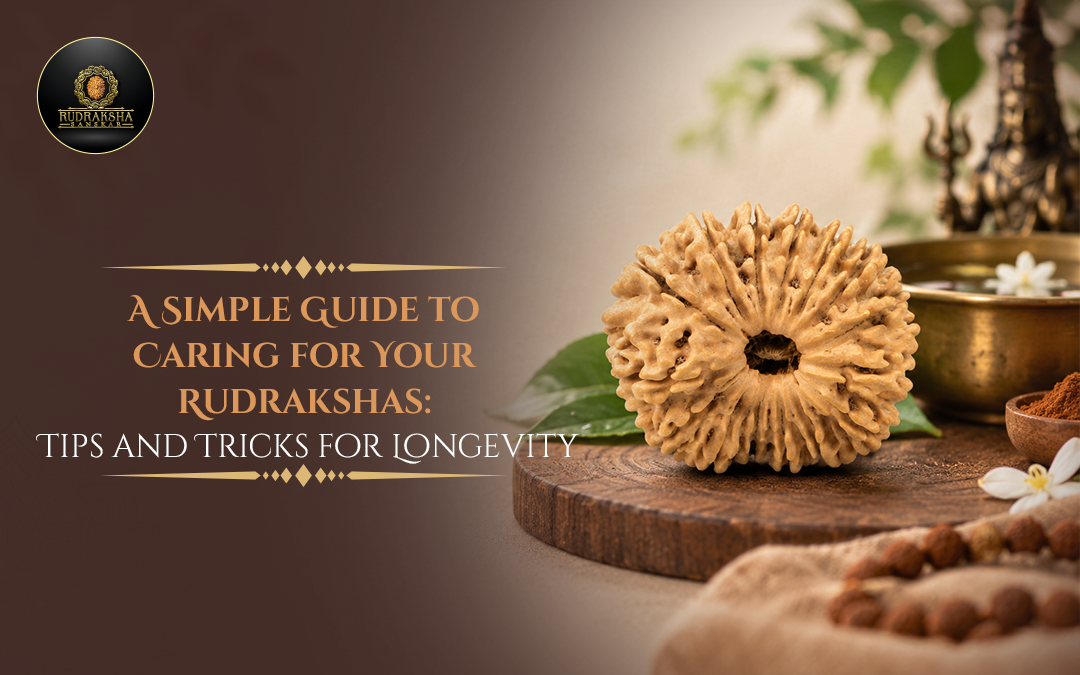
A Rudraksha may last for many years, but that does not mean it requires no care.
Whether you wear a simple 5 Mukhi Rudraksha, a traditional mala or a rare higher Mukhi bead, everyday habits can affect its condition.
Sweat, moisture, soap, perfumes and improper storage can gradually affect the bead’s surface, thread and overall appearance.
The good news?
Taking care of your Rudraksha is surprisingly simple.
You do not need expensive cleaning products or complicated rituals. A few careful habits can help preserve its natural structure and keep it suitable for regular wearing.
1. Keep Your Rudraksha Clean, but Don’t Overclean It
Rudraksha naturally have grooves and textured surfaces where dust, sweat and skin oils can accumulate.
If you wear your Rudraksha regularly, inspect it occasionally.
For everyday cleaning:
- Use a soft, dry cloth to remove surface dust.
- Gently clean accessible grooves with a soft brush.
- If necessary, use a small amount of plain water to remove stubborn dirt.
- Avoid aggressive scrubbing.
- Dry the bead thoroughly afterward.
A soft toothbrush can help clean deeper grooves, provided you use very light pressure.
Avoid cleaning your Rudraksha every day with water.
Frequent soaking is unnecessary and can create moisture-related problems.
2. Avoid Soaking Rudraksha for Long Periods
One common suggestion is to leave Rudraksha submerged in water overnight.
For routine maintenance, this is generally unnecessary.
Extended soaking may affect the bead’s condition, particularly if it already has cracks or structural weaknesses.
Water can also affect:
- Cotton threads
- Metal fittings
- Adhesives used in jewellery settings
- Decorative components
If your Rudraksha needs cleaning, brief and gentle contact with water is usually preferable to prolonged soaking.
Afterward, remove excess moisture and allow it to dry completely.
3. Keep Soap, Shampoo and Perfume Away
Many people wear Rudraksha throughout the day without removing it.
However, everyday products can leave residue on the bead.
These include:
- Shampoo
- Soap
- Body wash
- Perfume
- Hair products
- Cleaning chemicals
- Strong detergents
Such products may accumulate in the natural grooves or affect the necklace’s thread and fittings.
A simple habit is to remove your Rudraksha before bathing, swimming or using strong personal-care products.
If you prefer to keep it on for religious reasons, follow your tradition while taking reasonable precautions to protect the bead.
4. Dry Your Rudraksha Properly
Moisture is one of the most important things to manage when caring for Rudraksha.
After cleaning, gently pat the bead with a soft cloth.
Then allow it to air-dry in a clean, well-ventilated place.
Avoid using:
- Hair dryers
- Direct flames
- Ovens
- Intense artificial heat
- Prolonged harsh sunlight
High heat can be damaging to natural materials.
Make sure the grooves and any drilled holes are dry before storing the bead.
Never place a damp Rudraksha inside an airtight container.
Trapped moisture can encourage unwanted odours or mould growth.
5. Should You Apply Oil to Rudraksha?
Some traditional Rudraksha care practices recommend occasionally applying natural oils.
However, routine oiling is not essential for every bead.
Excessive oil can attract dirt, leave residue and affect certain threads or jewellery fittings.
If you choose to oil an untreated bead, use only a very small amount of a suitable mild oil, and first check the seller’s care guidance.
Avoid soaking the Rudraksha in oil or repeatedly applying thick layers.
For rare, certified or collector-grade specimens, it is generally better to avoid oiling or other surface treatments without specialist advice.
The goal is preservation, not changing the bead’s appearance.
6. Store Rudraksha in a Clean, Dry Place
If you do not wear your Rudraksha every day, proper storage becomes important.
Choose a place that is:
- Clean
- Dry
- Away from excessive humidity
- Protected from direct heat
- Free from heavy pressure
A soft cotton pouch or a clean, lined jewellery box can work well.
Avoid placing several valuable beads together where they may rub against one another.
For expensive Rudraksha, individual storage compartments can provide additional protection.
Do not store them in damp bathrooms, near open windows during heavy rain or in places where moisture regularly accumulates.
7. Take Extra Care of Rudraksha Malas and Kanthas
A Rudraksha mala requires attention beyond the beads themselves.
The thread, knots and fittings are equally important.
With regular use, threads may gradually weaken.
Check for:
- Loose knots
- Fraying threads
- Damaged clasps
- Weak connecting wires
- Beads rubbing excessively
- Signs of stretching
If you wear a Rudraksha Kantha, inspect its construction periodically.
A broken thread can cause beads to fall and become damaged or lost.
For expensive combinations, professional restringing may be safer than attempting repairs without experience.
8. Be Gentle With Rare Higher Mukhi Rudraksha
Premium Rudraksha deserve particular attention because individual specimens can be difficult to replace.
Examples include:
For these beads:
- Avoid unnecessary handling.
- Do not scrape the grooves.
- Protect them from hard impacts.
- Avoid repeated wetting.
- Store them separately.
- Keep their certificates and photographs safely recorded.
If the bead has a natural protrusion or unusual formation, take extra care not to apply pressure to that area.
Rare specimens should be handled as valuable natural objects, not treated as indestructible jewellery.
9. What If Your Rudraksha Develops a Crack?
Small natural surface irregularities are not necessarily signs of damage.
However, a new or expanding crack deserves attention.
If you notice one:
Stop applying pressure to the bead.
Avoid soaking it or trying to repair the crack with glue.
Inspect whether the damage affects the bead’s structural integrity.
If it is a valuable specimen, consult a knowledgeable seller or qualified specialist before attempting any treatment.
Do not carve, sand or fill the damaged area, particularly if the Rudraksha has certification linked to its original condition.
10. Common Rudraksha Care Mistakes to Avoid
Several habits can shorten the useful life of a Rudraksha or damage its setting.
Using harsh cleaning chemicals
Strong products can leave residue and potentially damage natural surfaces.
Leaving the bead wet
Prolonged moisture exposure can create avoidable problems.
Scrubbing the grooves aggressively
This may damage delicate natural features.
Applying too much oil
Excessive oil can attract dirt and affect the bead’s appearance.
Exposing it to high heat
Extreme temperatures should be avoided.
Ignoring damaged threads
A valuable bead can be lost if its necklace breaks.
Trying to repair rare beads at home
Unprofessional modifications can damage the specimen and affect its collectible value.
Simple Care Makes a Lasting Difference
You do not need an elaborate routine to maintain your Rudraksha.
The most useful habits are straightforward:
Keep it clean.
Avoid unnecessary moisture and chemicals.
Dry it properly.
Store it carefully.
Inspect its thread and fittings.
Handle rare specimens gently.
A little attention can help preserve your Rudraksha’s natural appearance and physical condition for years.
Whether you wear a simple mala or plan to buy rudraksha online for your collection, understanding basic care is part of being a responsible owner. The best way to preserve a Rudraksha is not to overcomplicate its care, but to handle it consistently and gently.
FAQs
Clean it when visible dirt or residue accumulates. Regular gentle dusting is usually enough for everyday maintenance.
Brief, gentle cleaning with plain water may be suitable for an intact bead when necessary. Avoid prolonged soaking and dry it thoroughly afterward.
Oiling is not essential for every Rudraksha. Avoid excessive application, and seek specialist advice before treating rare or certified specimens.
Removing it before bathing helps limit exposure to soap, shampoo and prolonged moisture.
Keep it clean, dry and protected from impacts, preferably in an individual soft pouch or suitable storage compartment.
It depends on the damage. Avoid attempting repairs with glue, filler or carving. Seek appropriate advice, particularly for valuable specimens.