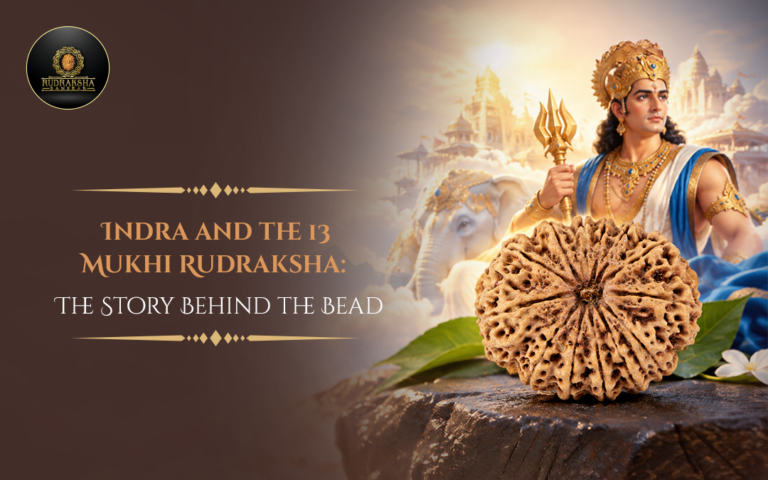
Indra and the 13 Mukhi Rudraksha: The Story Behind the Bead 

Indra and the 13 Mukhi Rudraksha: The Story Behind the Bead 

What connects the king of the gods, Lord Indra, with a Rudraksha that has thirteen natural faces?  The answer lies in Hindu spiritual traditions, where the 13 Mukhi Rudraksha is associated with Indra, the ruler of Svarga, and Kamadeva, the deity of love and desire.  At first, these associations may seem unrelated.  Indra represents divine…
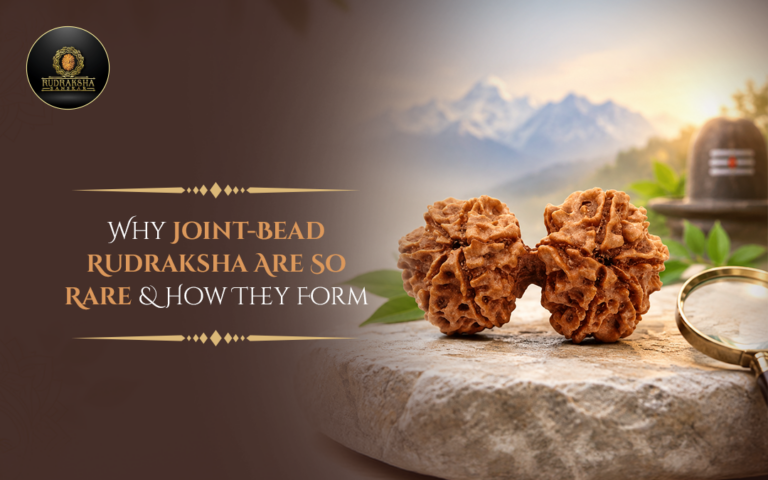
Why Joint-Bead Rudraksha Are So Rare & How They Form 

Why Joint-Bead Rudraksha Are So Rare & How They Form 

Most Rudraksha beads have a familiar appearance: a single, naturally textured seed with grooves running across its surface.  But occasionally, something unusual appears.  Two bead-like structures may be connected. Three may form a single unusual specimen. Sometimes, a smaller structure appears attached to a larger one.  These rare formations are commonly known as joint-bead Rudraksha. …

How to Identify an Original Joint-Bead Rudraksha: Simple Steps

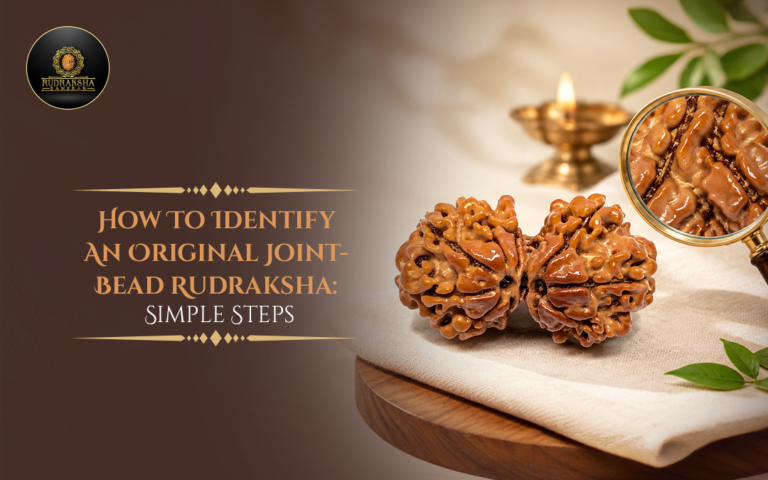
How to Identify an Original Joint-Bead Rudraksha: Simple Steps

A Gauri Shankar with two naturally joined beads. A rare Trijuti with three connected structures. A Sawar Rudraksha with a smaller bead-like attachment.  These unusual Rudraksha formations can be fascinating.  But they also raise an important question:  How can you tell whether the beads are naturally joined or artificially attached?  Unlike a regular Rudraksha, where…

The Joined-Bead Rudraksha Family Explained: Gauri Shankar, Garbh Gauri, Trijuti, Sawar & Ganesh 

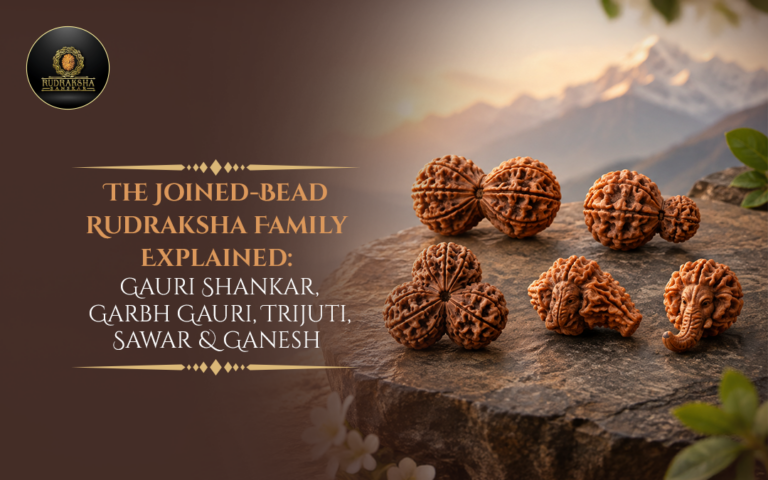
The Joined-Bead Rudraksha Family Explained: Gauri Shankar, Garbh Gauri, Trijuti, Sawar & Ganesh 

Not every Rudraksha grows as a perfectly separate, round bead.  Some develop unusual natural formations. Two beads may grow together, three may appear joined, or a smaller bead-like structure may be attached to a larger one.  Then there are Rudraksha with natural protrusions that resemble particular shapes.  These formations are often considered special in traditional…

Which Mukhis Are Best to Create Your Own Rudraksha Mala?

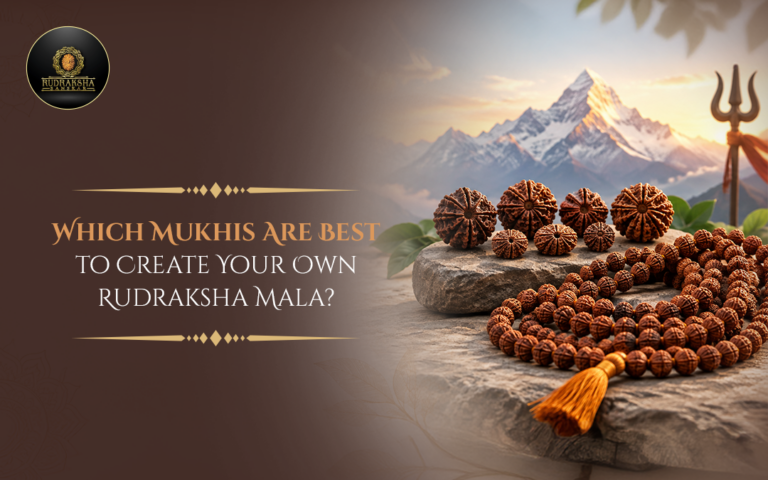
Which Mukhis Are Best to Create Your Own Rudraksha Mala?

Creating your own Rudraksha mala sounds simple until you start exploring the different Mukhi.  Should you use only 5 Mukhi beads? Combine 5, 6 and 7 Mukhi? Add a 12 or 14 Mukhi? Or build a complete mala using several higher Mukhi?  With so many possibilities, choosing the right combination can become confusing.  The good…

9 Mukhi Rudraksha and Durga: The Navratri Connection You Should Know 

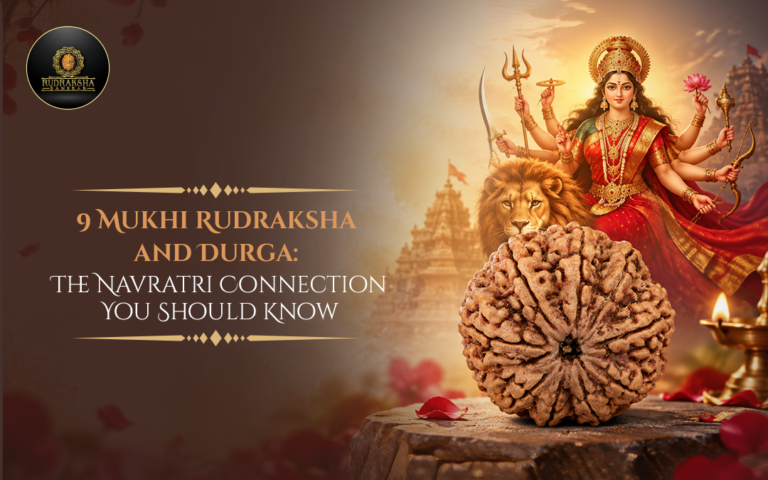
9 Mukhi Rudraksha and Durga: The Navratri Connection You Should Know 

Nine nights. Nine forms of Goddess Durga. And a Rudraksha with nine natural faces.  Is there a spiritual connection between them?  For many devotees, the answer lies in the traditional symbolism of the 9 Mukhi Rudraksha, which is widely associated with Goddess Durga and her divine energy, known as Shakti.  Navratri celebrates the Divine Mother…

Building a Mala Bead by Bead vs Buying It Complete: Is There Any Difference?

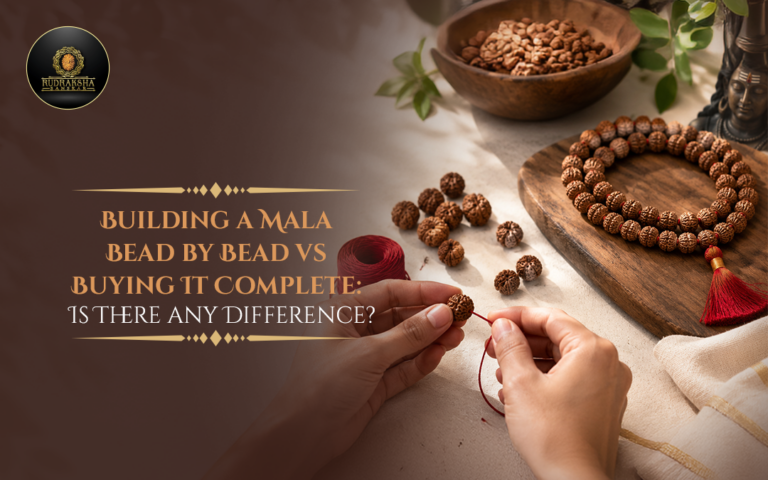
Building a Mala Bead by Bead vs Buying It Complete: Is There Any Difference?

When choosing a Rudraksha mala, most people focus on the Mukhi, size and authenticity of the beads.  But there is another decision worth considering.  Should you buy individual Rudraksha and build your own mala, or purchase a complete, ready-to-wear mala?  Both approaches have advantages.  Building a mala bead by bead gives you greater control over…

Stringing and Restringing a Rudraksha Mala: Fix Your Broken Mala Today

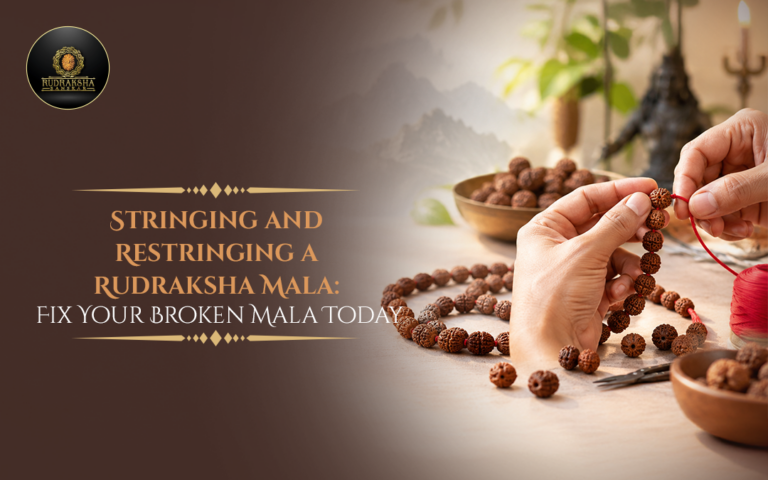
Stringing and Restringing a Rudraksha Mala: Fix Your Broken Mala Today

Your Rudraksha mala breaks unexpectedly. A few beads fall onto the floor, the thread comes loose, and your first thought is probably:  Can I repair this mala, or do I need to buy a new one?  The good news is that a broken thread does not automatically mean your Rudraksha beads are damaged.  In most…

A Simple Guide to Caring for Your Rudrakshas: Tips and Tricks for Longevity

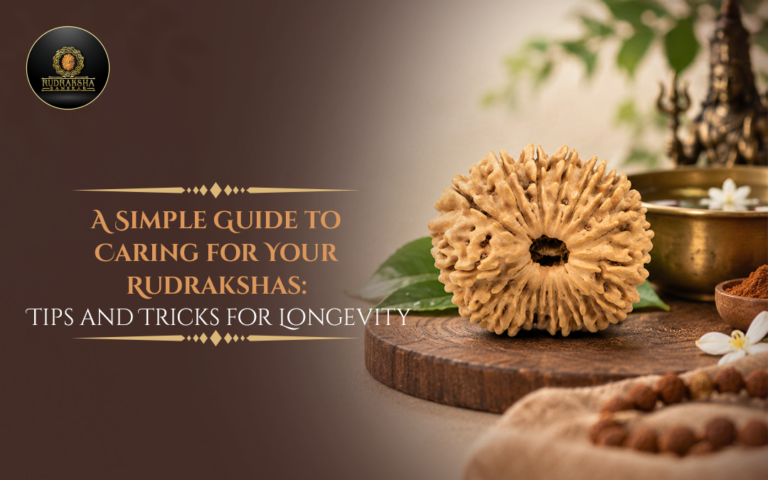
A Simple Guide to Caring for Your Rudrakshas: Tips and Tricks for Longevity

A Rudraksha may last for many years, but that does not mean it requires no care.  Whether you wear a simple 5 Mukhi Rudraksha, a traditional mala or a rare higher Mukhi bead, everyday habits can affect its condition.  Sweat, moisture, soap, perfumes and improper storage can gradually affect the bead’s surface, thread and overall…

Siddha Mala vs Indra Mala vs Rudraksha Kantha: What to Know

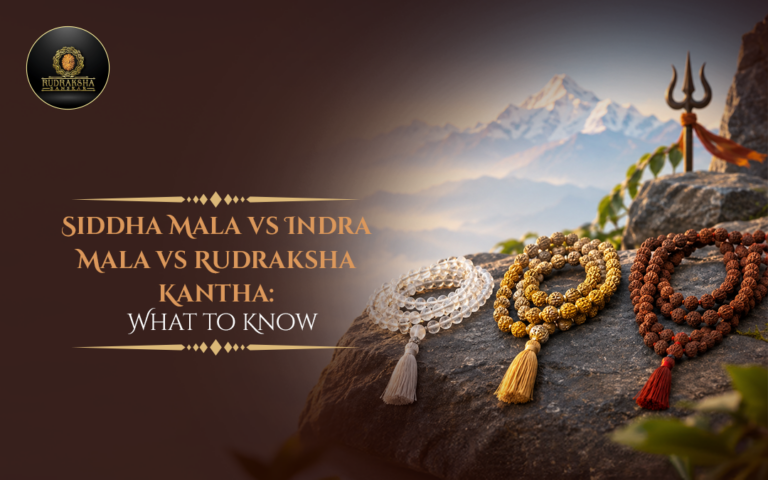
Siddha Mala vs Indra Mala vs Rudraksha Kantha: What to Know

When shopping for a Rudraksha necklace, you may come across three names:  Siddha Mala, Indra Mala and Rudraksha Kantha.  At first glance, they can look quite similar. All may contain multiple Rudraksha beads, and some are made with rare Mukhi that command substantial prices.  But they are not necessarily the same thing.  The biggest difference…

End of content

End of content